
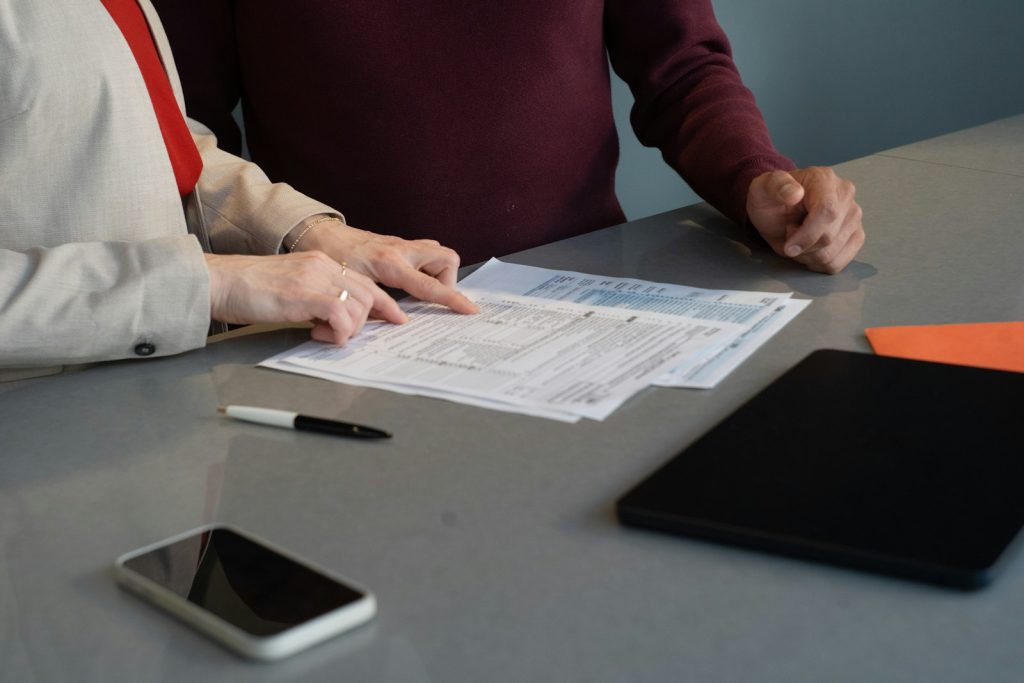
A real estate transaction involves dozens of documents, deadlines and signatures. When even one small detail is missed, it can delay a closing, frustrate clients or create extra work for everyone involved. The good news is that most of these issues are easy to prevent with a consistent process.
Here are seven common paperwork mistakes that delay closings, and how to avoid them.
1. Missing Signatures and Initials
A single missing initial on a counter offer or disclosure can hold up an entire file. Escrow, lenders and broker compliance reviewers all expect every page to be fully executed before they move forward.
How to avoid it: Before sending a document out, check every signature and initial line for each party. After it comes back, review it again page by page. E-signature platforms help, but they only catch the fields that were set up correctly in the first place.
2. Incorrect or Missing Dates
Contract deadlines are counted from the acceptance date, so an unclear or incorrect date can throw off every contingency that follows. Mismatched dates across the purchase agreement, counter offers and addenda are a common cause of confusion.
How to avoid it: Confirm the final acceptance date as soon as the contract is ratified, and make sure it matches across all documents. Then build the full timeline of contingency and closing dates from that one date.
3. Using Outdated Forms
California real estate forms are revised from time to time. An outdated version can be flagged during broker review, and in some cases the file may need to be redone on the current form.
How to avoid it: Pull forms directly from your current forms library, such as Glide, zipForm or your broker’s system, rather than reusing old copies saved on your computer.
4. Incomplete Seller Disclosures
Seller disclosures, such as the Transfer Disclosure Statement (TDS) and Seller Property Questionnaire (SPQ), need to be fully completed and delivered to the buyer on time. Blank questions, missing explanations or late delivery can lead to back-and-forth or delays in the buyer’s review period.
How to avoid it: Start the disclosure package early, ideally before the listing goes live. Review each form for unanswered questions, and track when disclosures are delivered and when the buyer signs them.
5. Missed Contingency Deadlines
Inspection, appraisal and loan contingency dates move quickly. If a deadline passes without the right paperwork, the parties may need extra documents to fix the issue, and the relationship between buyer and seller can become strained.
How to avoid it: Keep a shared timeline of every contingency date, and send reminders to all parties a few days before each one. Confirm in writing when each contingency is removed.
6. Gaps in Communication
Many delays happen simply because one party was waiting on another. Escrow may need a document from the lender, or the lender may be waiting on the buyer, and no one realizes the file has stalled.
How to avoid it: Send regular status updates to everyone involved, including agents, escrow, lenders and clients. A quick weekly check-in can catch problems before they become delays.
7. Messy or Mislabeled Files
Duplicate forms, unlabeled uploads and documents saved in the wrong place make broker compliance reviews slower, and can lead to a file being sent back for corrections.
How to avoid it: Use clear, consistent file names and upload each document to the right place in your transaction platform, such as SkySlope, Brokermint or Transaction Manager. Remove duplicates before submitting the file for review.
How a Transaction Coordinator Helps
A transaction coordinator keeps track of these details on every file, so agents can focus on their clients. A TC reviews documents for missing signatures and dates, tracks every deadline, keeps disclosures on schedule and communicates with all parties from contract to close.
Ready to take paperwork off your plate? Contact Go-Escrow to see how transaction coordination can help your business.